
Combat Fundamentals: Stamina, Defense and Weaknesses
Separate stamina decisions, vocation-specific defenses, elemental matchups and party recovery before changing your entire build.

On this page
Leave room for the next action
The official stamina manual identifies sprinting, grabbing and weapon skills as consumers of stamina. Emptying the gauge causes exhaustion; standing still supports faster recovery, while activities such as climbing interfere with it. Spending the last available resource on an attack can therefore change what you can do immediately afterward.
Our recommendation is to judge a sequence by its ending position as well as its opening damage. Ask where you will stand and what you can still do when the action finishes. This is decision guidance, not a numerical stamina threshold for every build.
Defense belongs to the vocation
Fighter’s shield defense and Thief’s Swift Step are different systems. A tactic built around one should not be copied to another class without checking its available actions. Review the vocation profiles and your learned skills before assuming a button or ability is missing because the game is malfunctioning.
For practice, use an encounter you know and change one variable at a time. Test approach distance, the length of your attack sequence or the timing of a defensive response. Changing all three makes it difficult to identify what actually helped.
Element and target matter
The official manual explains that elemental weaknesses and defenses affect damage, while equipment can contribute elemental resistance. Listen to relevant Pawn observations and distinguish a target’s vulnerability from a weapon merely displaying a large attribute.
No universal weakness multiplier is supplied here. Do not infer one from promotional footage, a single hit or a weapon’s element label. The equipment table stores reference properties; it does not solve an enemy matchup for you.
Recovery and incapacitation are different jobs
Before combat, check who can help with recovery and what that character can actually use. A requested support action is not guaranteed to happen instantly. When a Pawn is incapacitated, consult the separate revival rules instead of treating every low-health situation as the same problem.
Our suggested priority is to remove the immediate obstacle to recovery: unsafe positioning, an approaching enemy or a companion who cannot reach the affected character. Reassess once the party can act again.
Diagnose a failed encounter
Use a short review rather than immediately buying new equipment. Were you exhausted? Did the target leave your range? Were you missing a ranged or support job? Were you expecting a skill that was not learned? Only then ask whether a different weapon would address the actual problem.
This page supplies a framework and source-reviewed mechanics, not a tested damage formula, boss-specific script or invulnerability guarantee.
Frequently asked questions
Can I use the same dodge command on every vocation?
No. Learn the defensive actions belonging to your current vocation.
Are Strength plus Magick equal to my final damage?
No. The equipment table is not a combat simulator and does not account for the target, skills or your full setup.
Sources & scope
- CAPCOM manual: stamina (French)
- CAPCOM manual: elemental weaknesses (French)
- Game8: vocation-specific defensive actions
Images are official game promotional material, not proof of a verified route, loadout or item drop.
Continue exploring
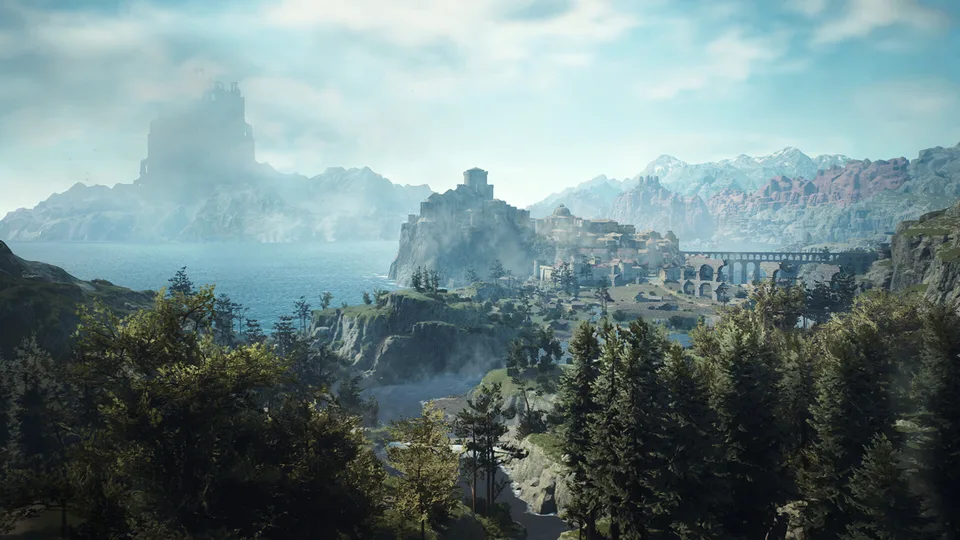
Getting Started: Your First Adventure
Choose a starting role, assemble a useful Pawn party, learn your defensive action and prepare an outward and return journey.
Read guide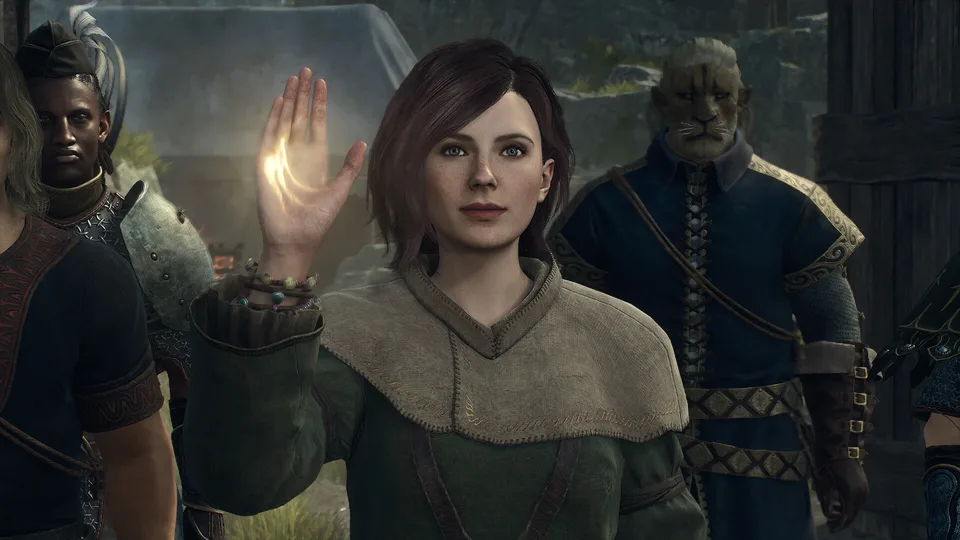
Preparing Your Pawn Party
Assign frontline, ranged and recovery jobs around your Arisen, then check skills, behavior and commands before leaving town.
Read guideVocations
Browse directory →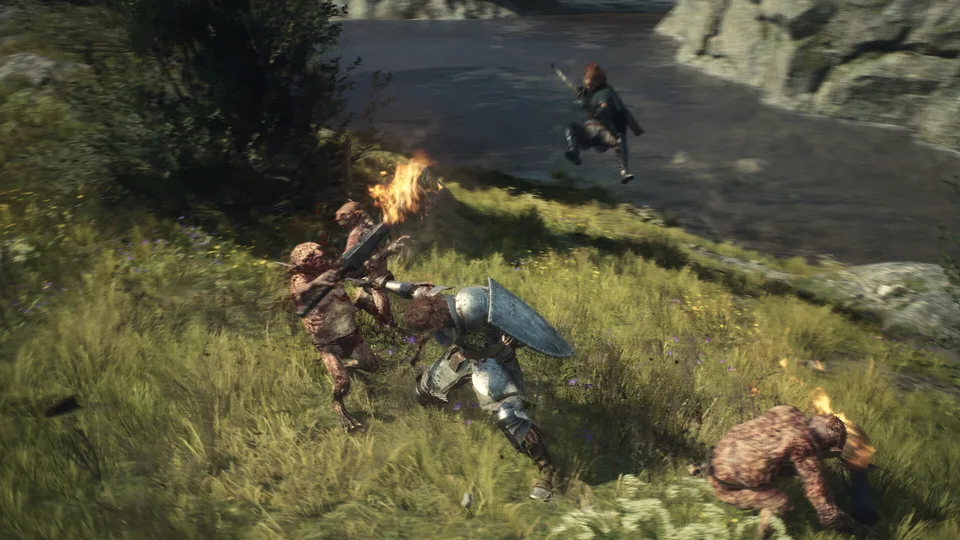
Weapons: Named Items and Acquisition Sources
Compare twenty-six named weapons with unenhanced reference attributes, vocation compatibility, documented vendors and other acquisition sources.
Read guide