
Preparing Your Pawn Party
Assign frontline, ranged and recovery jobs around your Arisen, then check skills, behavior and commands before leaving town.
On this page
Start with the Arisen’s job
A party can contain the Arisen, a main Pawn and two recruited Pawns. Write down what you intend to do yourself before selecting the remaining companions. If you already supply close-range pressure, another identical role may be less informative to test than a missing source of recovery or ranged reach.
The following examples are recommendations for organizing a party, not claims of optimal damage or guaranteed enemy targeting.
Example role combinations
| Player role | A first job to add | A second job to consider | What to check in practice |
|---|---|---|---|
| Fighter or Thief | Mage recovery and support | Archer ranged pressure | Can the group handle threats you cannot safely reach? |
| Archer | A close-range companion | Mage recovery and support | Do you retain a workable firing position? |
| Mage | A close-range attacker | Another offensive role | Does the group convert your support into progress? |
| Trickster | Reliable offensive companions | Recovery coverage | Are the Pawns performing the attacks your setup depends on? |
The remaining slot is a place to address a real weakness, not an obligation to add a particular vocation. Change one companion at a time when testing the composition.
Inspect abilities and behavior together
Check learned abilities before assuming a candidate performs the role named in your plan. A vocation label is not a full loadout. Inclinations describe tendencies: Kindhearted emphasizes support, Calm emphasizes survival, Simple favors exploration and Straightforward is more aggressive. The system reference gives the fuller distinction.
An inclination does not create a missing spell. Similarly, a suitable skill is not a promise that the Pawn can safely execute it at the moment you request it.
Commands are requests, not guarantees
Go, To me, Wait and Help provide different instructions. Use the instruction that matches the problem, then watch the response. Repeating a command without observing whether an ally is blocked, threatened or incapacitated rarely tells you what to change.
Check the current control settings for platform-specific bindings and long-press behavior. The official manual has been updated over time; do not assume every older control diagram matches your installed settings.
Review after a real journey
Our suggested review is short: which job was missing, which companion had trouble performing it and whether the problem was abilities, positioning or your own expectations. Use that observation to recruit the next companion.
This guide does not assign hidden AI scores, promise a hire count or claim that a particular inclination is universally best. It is a way to evaluate a party using observable jobs.
Frequently asked questions
Is there one required four-person composition?
No. The combinations below are editorial examples of job coverage, not tested universal best teams.
Can an inclination replace a missing skill?
No. Behavior and available abilities must both fit the job you expect a Pawn to perform.
Sources & scope
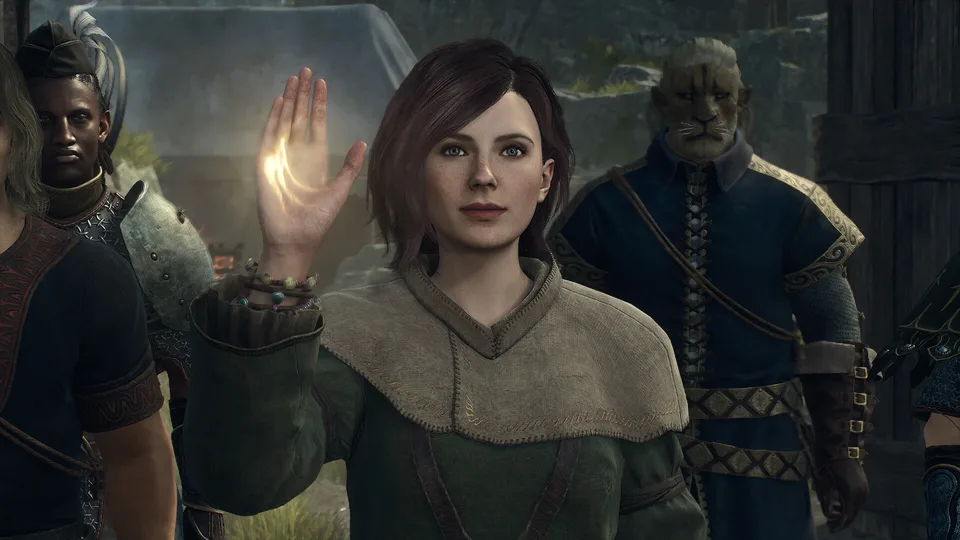
Images are official game promotional material, not proof of a verified route, loadout or item drop.
Continue exploring
Pawns: Commands, Inclinations and Recovery
Understand your main Pawn, recruited companions, command meanings, inclinations, revival and Pawn quest rewards.
Read guideMage
Use Anodyne, understand faster casting and choose staff equipment without confusing Mage support with Sorcerer offense.
Read guide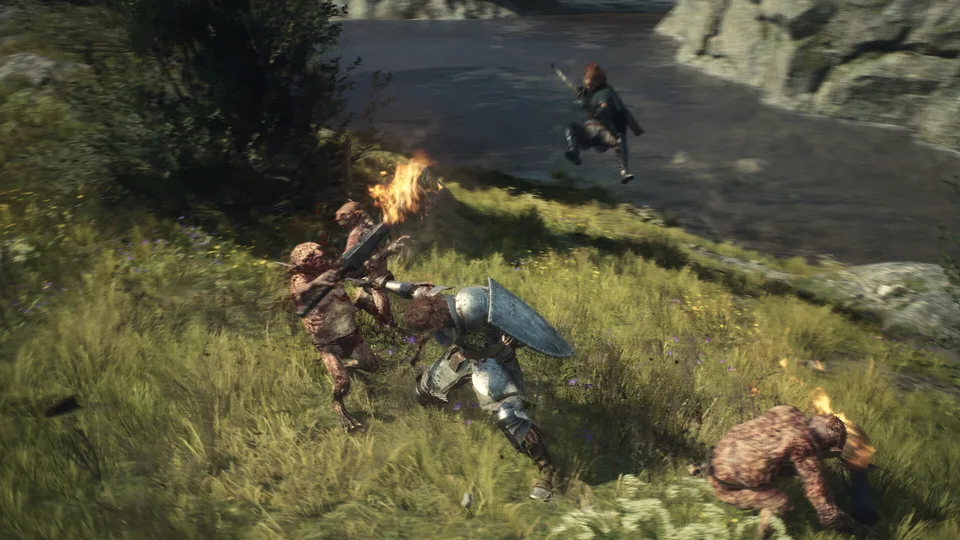
Fighter
Learn the Fighter’s shield-first playstyle, useful early skills and documented sword sources before planning your next loadout.
Read guide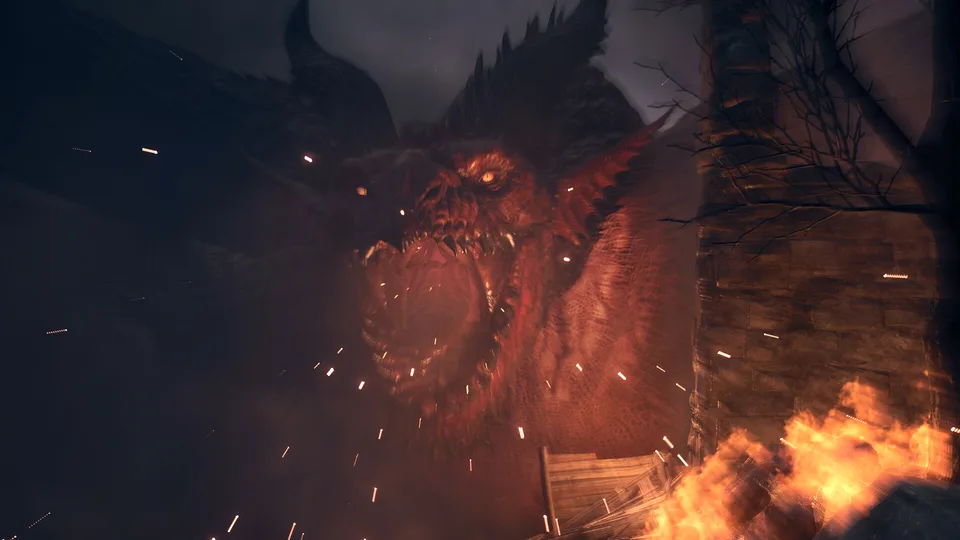
Archer
Understand aimed shots, close-range escape tools and bow compatibility, with a named weapon reference for your next purchase.
Read guide